
SUPPORTIVE LIVING
Luxury Supportive Living in Houston Heights for Structured Recovery
Two elevated recovery homes designed for structure, accountability, and privacy. Explore our women’s Oxford House and men’s Harvard House in Houston Heights.
Confidential, no-pressure consultation. Same-day availability when possible.

A Higher Standard of Supportive Living
Transcend Supportive Living is designed for individuals who need more than a place to stay. Our homes provide structure, accountability, and a professional standard of living that supports long-term recovery in real life.
Explore Our Homes
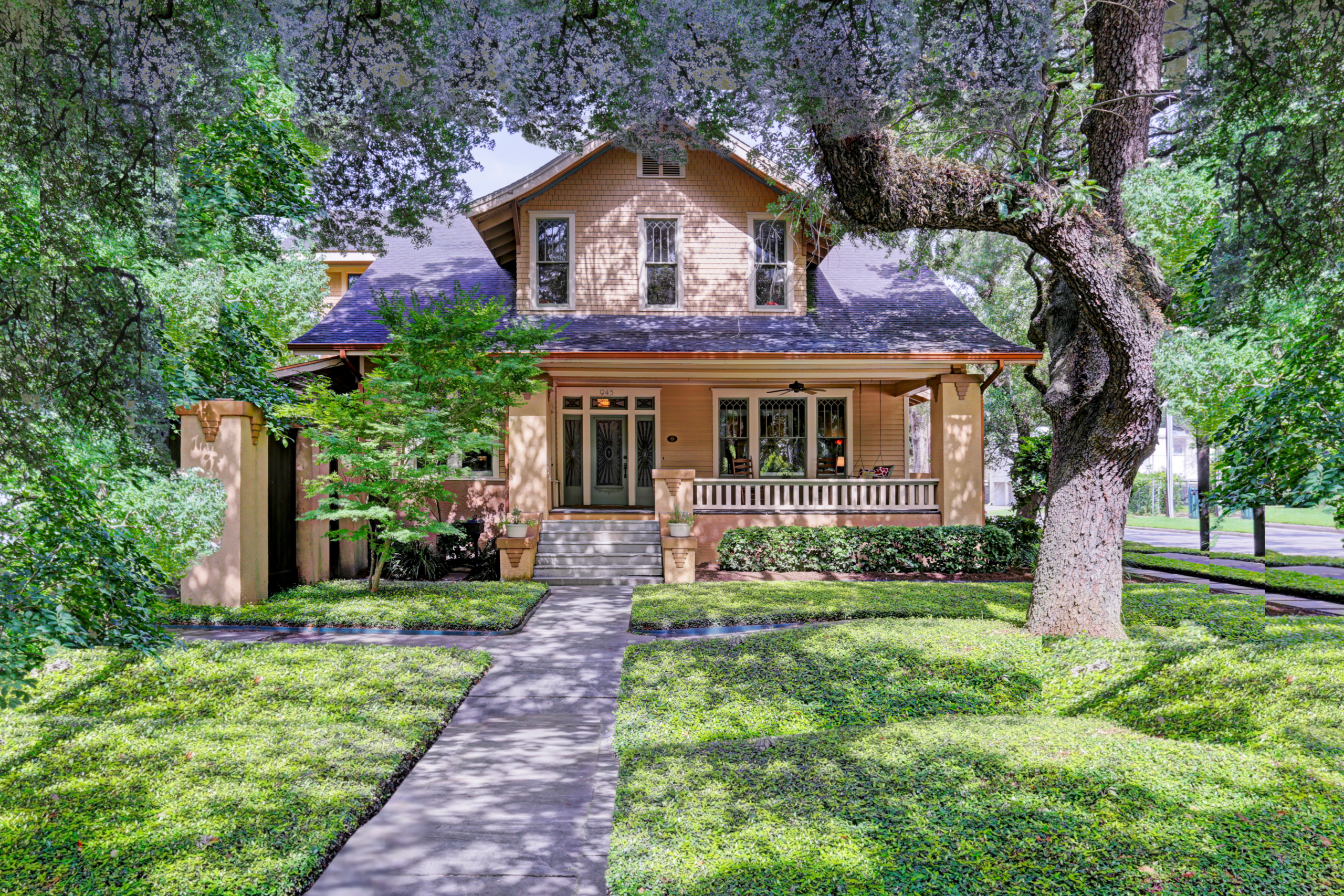
Men’s Harvard House
Our men’s supportive living home in Houston Heights. Harvard House offers an elevated, structured environment for young adults and professionals who need accountability, routine, and consistent follow through in early recovery.
- High accountability standards and stable routines
- Support for employment, school, and life skills
- Clinically coordinated planning when outpatient care is involved
Explore Men’s Harvard House
Check Availability
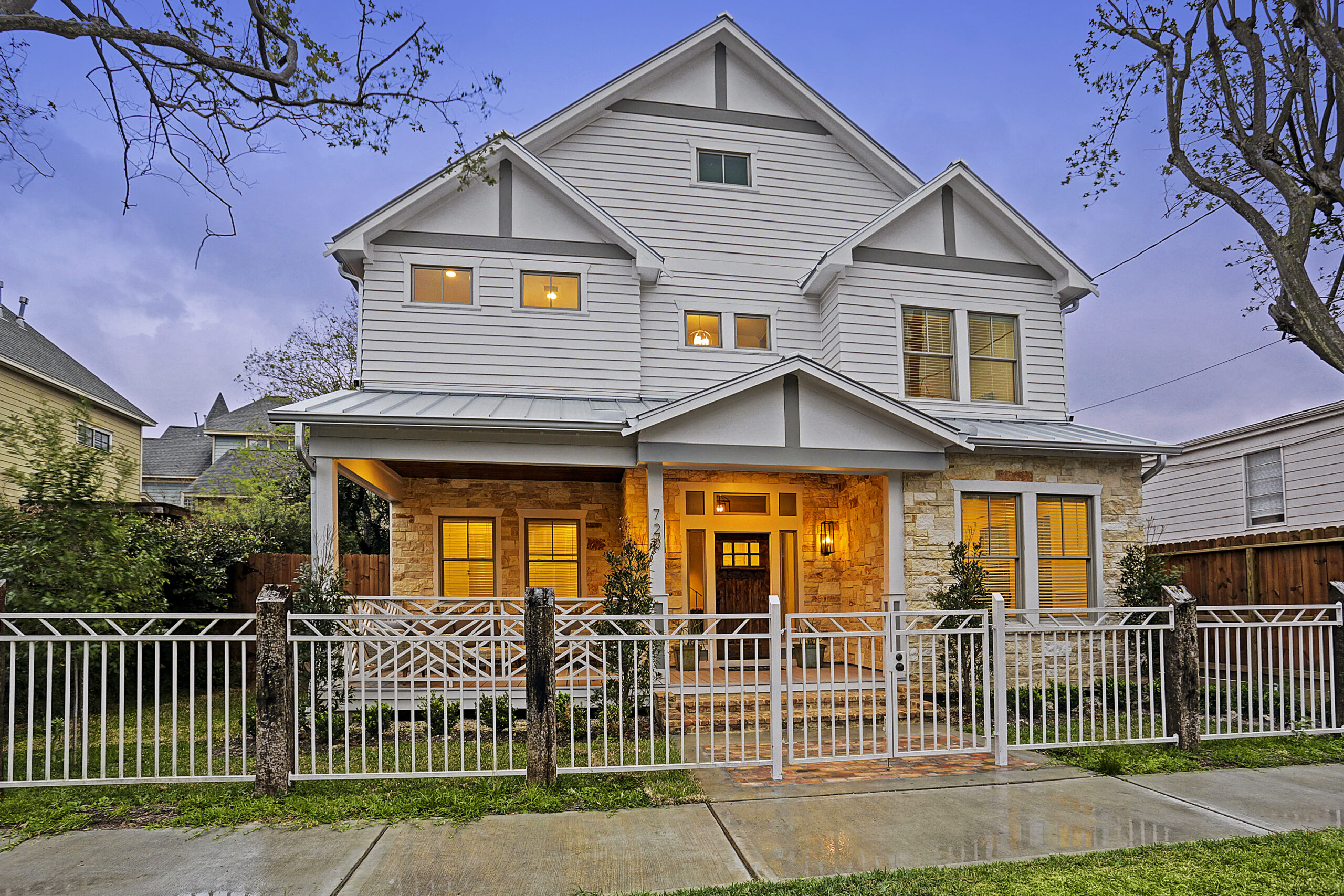
Women’s Oxford House
An elevated women’s supportive living home in Houston Heights focused on privacy, accountability, and stability. Designed for residents building recovery routines while strengthening mental health, relationships, and long-term stability.
- Structured routines and consistent expectations
- Professional, privacy minded community standards
- Supportive environment for work, school, and outpatient coordination
Explore Women’s Oxford House
Check Availability
What Supportive Living Includes
Both homes provide a consistent foundation designed to support long-term recovery, including structured routines, clear accountability expectations, privacy-minded community standards, support for work and school, and coordination with outpatient providers when appropriate.
What Supportive Living in Houston Is
Supportive living is a structured residential environment designed for individuals in recovery who need accountability, routine, and stability while rebuilding daily life. Unlike traditional sober living, Transcend provides a more elevated and professional setting with clear expectations, privacy-minded standards, and support for real-world responsibilities.
Residents live in high-quality homes while maintaining work, school, or outpatient commitments, allowing them to actively practice recovery in everyday life.
Learn About Admissions
Who Is a Strong Fit for Transcend
Transcend is most effective for adults who are ready for structured supportive living and are willing to participate in accountability, community, and a recovery or mental health plan. We evaluate each inquiry carefully to make sure the environment is appropriate for the person’s current needs and level of stability.
Supportive living is often a strong fit for individuals stepping down from treatment, or for those who need structure and accountability to maintain recovery while integrating real life responsibilities.
If someone needs detox, inpatient stabilization, or a higher level of care, we will recommend that step first.
How Supportive Living Fits Into the Recovery Continuum
Supportive living bridges the gap between structured treatment and independent living, providing the stability, accountability, and real-world integration needed for long-term recovery.
Recovery is a continuum, not a single level of care. The American Society of Addiction Medicine (ASAM) defines a structured progression of treatment based on clinical need, stability, and risk. This continuum ranges from medically managed inpatient care (Level 4) to outpatient services and long-term recovery monitoring (Level 1). Within each level, sublevels reflect the intensity of support required. While supportive living is not a clinical level of care, ASAM recognizes the importance of recovery residences as part of a comprehensive recovery plan, often recommended alongside outpatient treatment.
A Step-Down Model Designed for Long-Term Success
At Transcend Supportive Living, we operate within this model by providing a structured recovery residence environment that supports individuals as they step down from clinical care and transition into independent living.
Level 4: Medically Managed Inpatient
For individuals who require 24-hour medical supervision for detoxification, withdrawal management, or severe psychiatric and medical conditions. This level of care provides stabilization in a highly structured clinical environment before transitioning into lower levels of treatment.
Level 3: Residential Treatment
Includes clinically managed residential programs (Levels 3.1, 3.5, and 3.7) for individuals who need a structured, live-in treatment environment with consistent clinical support. This level helps establish stability and prepares individuals for step-down care.
Level 2: Intensive Outpatient (IOP / PHP)
Includes Partial Hospitalization (PHP) and Intensive Outpatient (IOP), allowing individuals to receive structured clinical care while beginning to reintegrate into daily life. This level supports increasing independence while maintaining consistency in treatment.
Level 1: Outpatient & Recovery Management
Includes outpatient therapy, medication management, and long-term recovery monitoring. This level focuses on maintaining progress with minimal clinical oversight while individuals continue building independence. Long-term recovery monitoring may include mentoring and companioning support to reinforce accountability and consistency.
Recovery Residence (Supportive Living)
Recovery residences are not a clinical level of care, but are often recommended alongside outpatient treatment to provide added structure and accountability. At this stage, individuals no longer require daily clinical supervision but still benefit from a stable, recovery-focused environment.
Transcend Supportive Living serves as that bridge, supporting individuals as they apply recovery in real life while maintaining consistency, independence, and long-term stability.
Integrated Support Beyond Clinical Care
Recovery is most effective when structure extends beyond therapy sessions. At Transcend, many residents participate in outpatient services through trusted clinical partners, including Heights Treatment, allowing for coordinated care between housing, clinical programming, and long-term recovery planning. For individuals who need a more customized and structured step-down experience, our Individualized Intensive Program (IIP) provides an elevated level of support that integrates clinical recommendations, accountability, and real-world execution.
This integrated model creates clear communication between providers, consistent accountability outside of clinical hours, and a more seamless transition into independent living.
Find the Right Supportive Living Environment for You
Start with a confidential call. We will clarify fit, timing, and availability for the women’s Oxford House or the men’s Harvard House.
Women's Oxford HouseMen's Harvard House
Frequently Asked Questions
What is supportive living in Houston?
Supportive living is a structured residential environment designed for individuals in recovery who need accountability, routine, and stability while rebuilding daily life. At Transcend Supportive Living, residents live in high-quality homes while maintaining responsibilities like work, school, and outpatient care.
How is supportive living different from sober living?
While often used interchangeably, supportive living at Transcend offers a more elevated and structured experience. This includes higher accountability standards, professional expectations, and coordination with clinical providers when appropriate.
Who is a good fit for supportive living?
Supportive living is ideal for individuals who:
- Are stepping down from detox, residential, or PHP/IOP programs
- Need structure to maintain sobriety
- Are rebuilding routines around work, school, or personal responsibilities
- Want a more private, professional, and accountability-driven environment
Do residents need to be in treatment while living here?
Not necessarily. Some residents participate in outpatient programs, therapy, or coaching, while others focus on maintaining recovery independently. When applicable, we coordinate with outside providers to support continuity of care.
What does a typical day look like in supportive living?
Residents follow structured expectations that support stability. This typically includes:
- Morning routines and accountability check-ins
- Work, school, or scheduled responsibilities
- Participation in recovery-related activities
- Evening structure and community expectations
Are there rules or accountability expectations?
Yes. Structure is a core part of our model. Expectations may include:
- Maintaining sobriety
- Participating in house responsibilities
- Following curfews or schedules
- Engaging in productive daily routines
These expectations are designed to reduce relapse risk and support long-term success.
What is the difference between the men’s and women’s homes?
Both homes offer the same core structure and standards, but each has its own community culture:
- Men’s Harvard House focuses on structure, accountability, and professional reintegration
- Women’s Oxford House emphasizes privacy, stability, and relational growth in recovery
How long do people typically stay in supportive living?
Length of stay varies depending on individual needs, but many residents stay several months to build a strong foundation before transitioning to fully independent living.
Is supportive living private pay?
Yes. Supportive living is a private-pay service. Our team can walk you through current rates, availability, and what is included during a confidential call.
How do I get started?
The best first step is a private call with our team. We will assess fit, answer questions, and help determine the right timing and home placement.
Ready to Start?
Call us for a private, confidential consultation. We will listen, answer questions, and help determine the right next step, including timing, placement, and level of support.